
Scorecard
| Category | Verdict | Why It Matters |
|---|---|---|
| Sound and performance | Strong fit-dependent value | The product must solve the real recording, playing, or monitoring job. |
| Build and reliability | Important | Music gear is only useful if it survives normal practice, studio, and stage use. |
| Ease of setup | Important for beginners | Extra adapters, cables, stands, or software can change the true cost. |
| Value | Context dependent | The right price depends on alternatives and upgrade path. |
Pros & Cons
Pros
- Explains the product by real-world use case.
- Calls out practical setup requirements.
- Links the recommendation to alternatives instead of treating one product as universal.
Cons
- May not fit every room, instrument, voice, or workflow.
- Some buyers may need accessories before the product is fully useful.
Who It Is For
This product is for readers whose use case matches the review verdict, setup requirements, and practical tradeoffs.
Who Should Avoid It
Avoid it if your priority is outside the product strengths, if the setup requirements do not match your gear, or if an alternative solves your main problem more directly.
Alternatives
- Compare direct competitors before buying.
- Check the category hub for broader shortlists.
- Choose a budget or upgrade pick if the main recommendation is not the right fit.
Final Verdict
The final decision should come down to fit, reliability, setup cost, and whether a nearby alternative solves your main job better.
FAQ
Is this product good for beginners?
It can be, if the setup requirements and use case match what a beginner actually needs.
What should I compare before buying?
Compare the main alternative, accessory requirements, and whether the product leaves room to grow.
Editorial-Research Dynamic Mic Review
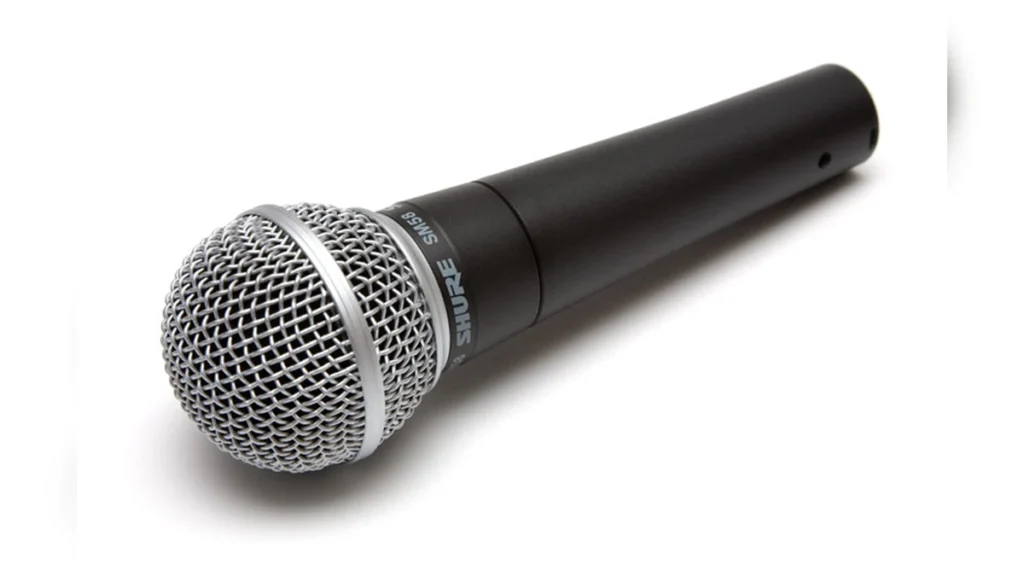
Quick verdict: The Shure SM58 is a sensible beginner home-vocal candidate when you want a durable handheld-style dynamic microphone and you are willing to sing close, manage gain and add basic accessories. It is not the best fit if you want a bright condenser-style room capture or a USB-only setup.
MusicalCritic may earn a commission from qualifying links. This review is based on Shure product documentation and editorial fit analysis, not lab measurements, product trial claims or real-time offer tracking.
What the SM58 Is
Shure presents the SM58 as a vocal microphone, and its official guide provides product handling and use boundaries. For beginners, the important practical point is workflow: it is an XLR dynamic microphone, so it needs a compatible audio interface, mixer or recorder path. It is not a plug-directly-into-USB-computer microphone by itself.
Why It Can Fit Beginner Home Vocals
- It encourages close vocal placement, which can help the voice sit ahead of some room sound when technique is consistent.
- It works for vocals, demos, practice recording and spoken voice when paired with the right recording path.
- It has a familiar handheld shape, so stand choice, clip fit and mouth distance are easy for beginners to understand.
Limits to Know Before Buying
- It does not remove room noise, computer fans or neighbor sound.
- It needs an XLR recording path, so the real beginner budget may include an interface and cable.
- Close singing can still create plosives or level jumps without technique and pop control.
- It may not give the open condenser-style sound some bedroom singers expect.
Best For
- Beginner vocalists who want a simple dynamic mic path.
- Home demo makers who can use an interface or mixer.
- Users in less-than-perfect rooms who prefer close-mic workflow over distant room capture.
Not For
- USB-only buyers who do not want an interface.
- Users expecting a microphone to fix the room automatically.
- Singers who want a condenser-style airy sound in a quiet treated space.
Setup Checklist
- Confirm you have an XLR input path before buying.
- Add a stable stand or boom arm if you need consistent takes.
- Use a pop filter or windscreen if plosives become obvious.
- Record a short gain test before a full vocal take.
- Use closed-back headphones to avoid playback bleed.
Read Next
- Home Vocal Recording for Beginners
- Pop Filter vs Windscreen for Vocal Recording
- Closed-Back Headphones vs Studio Monitors for Vocal Recording
- How to Choose a Vocal Mic for a Small Room
FAQ
Is the Shure SM58 good for home vocals?
It can be a good beginner fit if you want a close dynamic XLR workflow and understand the interface/accessory needs.
Can the SM58 plug directly into a computer?
Not by itself. It is an XLR microphone and needs a compatible recording path.
Do you need a pop filter with an SM58?
Not always, but beginners should test plosive-heavy phrases and add pop control if bursts are audible.
Featured image: Micro Shure SM58 by Nicolas Esposito, licensed under CC BY 2.0; cropped and resized for this page.
