FAQ Hub

Music Gear FAQ

Clear answers to common music gear buying, setup, review, affiliate, and beginner questions for musicians, producers, and home studio creators.

Quick Buying Help Short, practical answers for setup, budget, compatibility, review standards, and affiliate questions before you buy.
Music gear FAQ

Question Map

Browse by Topic

The FAQ Hub connects broad buying questions to category hubs, guides, reviews, comparisons, and trust pages.

FAQ Topic

Buying Music Gear

General buying questions for beginners, home studio creators, producers, and musicians comparing first upgrades.

What music gear should beginners buy first?

Beginners should buy the gear that solves their first real musical job, not the gear with the longest feature list. For home recording, that usually means a microphone, audio interface, headphones, and reliable cables. For players, it means a comfortable instrument, tuner, strap, stand, and practice-friendly accessories.

Should I buy budget music gear or save for an upgrade?

Buy budget gear when it is reliable enough to practice, record, or perform without creating new problems. Save for an upgrade when the cheaper option will quickly limit your sound, comfort, compatibility, or durability. The best value is usually the lowest total cost that still solves the job well.

How do I avoid wasting money on music gear?

Start with the use case, then check compatibility, accessory requirements, return policy, and upgrade path. Do not buy only because a product is popular. A good purchase should fit your room, instrument, skill level, software, budget, and the music you actually make.

Browse Buying Guides

FAQ Topic

Reviews & Testing

How Musical Critic evaluates products, writes verdicts, and keeps recommendations useful.

How does Musical Critic review music gear?

Musical Critic reviews gear around practical fit: sound, build quality, usability, setup requirements, value, and real-world tradeoffs. Reviews should explain who the product is for, who should avoid it, what accessories are needed, and which alternatives deserve comparison before buying.

Does Musical Critic test every product it recommends?

Recommendations are based on editorial research, product data, user needs, available testing notes, and comparison logic. When hands-on testing is not available, the page should be clear about the basis for the recommendation and avoid unsupported claims about performance, ratings, stock, or pricing.

How often are Musical Critic recommendations updated?

Buying guides should be reviewed every three to six months, while reviews and FAQ pages should be checked at least every six to twelve months. Updates should cover discontinued products, changed prices, new alternatives, broken links, compatibility changes, and reader correction requests.

Read Editorial Policy

FAQ Topic

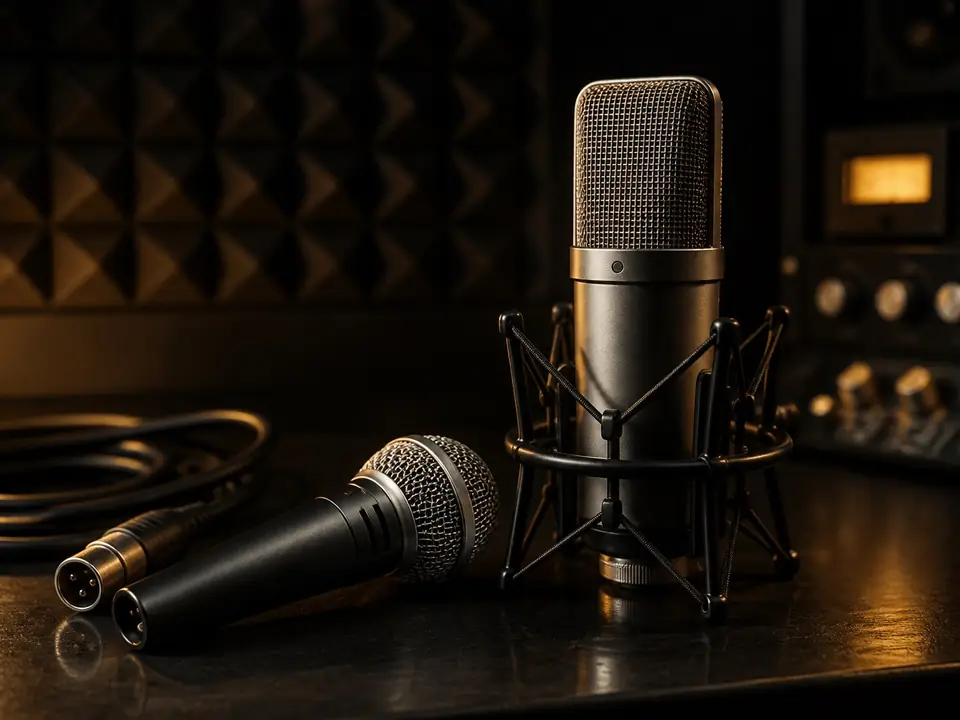
Microphones

Common questions about vocal microphones, USB vs XLR, untreated rooms, and recording accessories.

Do I need a USB microphone or an XLR microphone?

Choose a USB microphone if you want the simplest direct computer setup. Choose an XLR microphone if you want more flexibility, better upgrade options, and compatibility with audio interfaces or mixers. XLR setups cost more because they require at least a cable and interface.

Are dynamic or condenser microphones better for untreated rooms?

Dynamic microphones are usually better for untreated rooms because they pick up less room sound and background noise. Condenser microphones can sound more detailed, but they often expose reflections, noise, and poor room acoustics unless the recording space is controlled.

What accessories do I need for recording vocals?

Most vocal recording setups need a stand, pop filter or windscreen, cable, and headphones. XLR microphones also need an audio interface or mixer. A shock mount can help reduce vibration, while a stable boom arm or stand makes positioning easier and more repeatable.

Browse Microphone Guides & Reviews

FAQ Topic

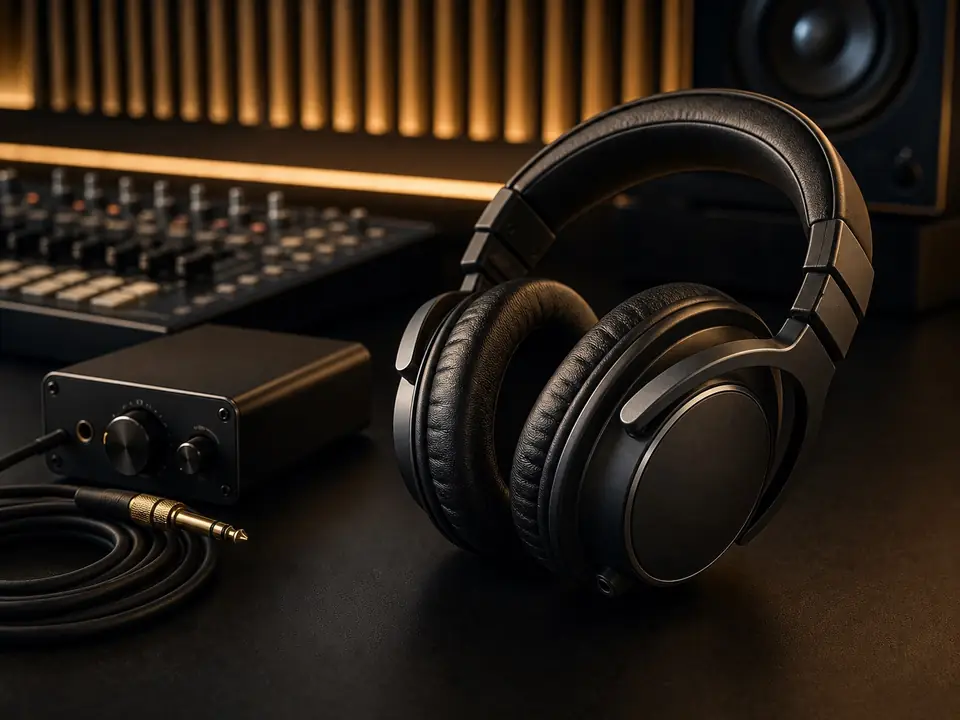
Headphones

Questions about mixing, recording, open-back vs closed-back headphones, impedance, and comfort.

Are open-back or closed-back headphones better for mixing?

Open-back headphones are usually better for mixing because they often sound more spacious and natural. Closed-back headphones are better for recording because they reduce sound leakage into microphones. Many home studios benefit from owning closed-back headphones first, then adding open-back headphones later.

Can studio headphones be used for casual listening?

Studio headphones can be used for casual listening, but they may sound less boosted than consumer headphones. Their goal is usually accuracy, isolation, or detail rather than extra bass or sparkle. Some models work well for both music enjoyment and production work.

Do I need a headphone amp for studio headphones?

You only need a headphone amp if your headphones are hard to drive or your interface cannot produce enough clean volume. Low-impedance headphones usually work from most interfaces. Higher-impedance models may benefit from a dedicated headphone amp or stronger audio interface output.

Browse Headphone Guides & Reviews

FAQ Topic

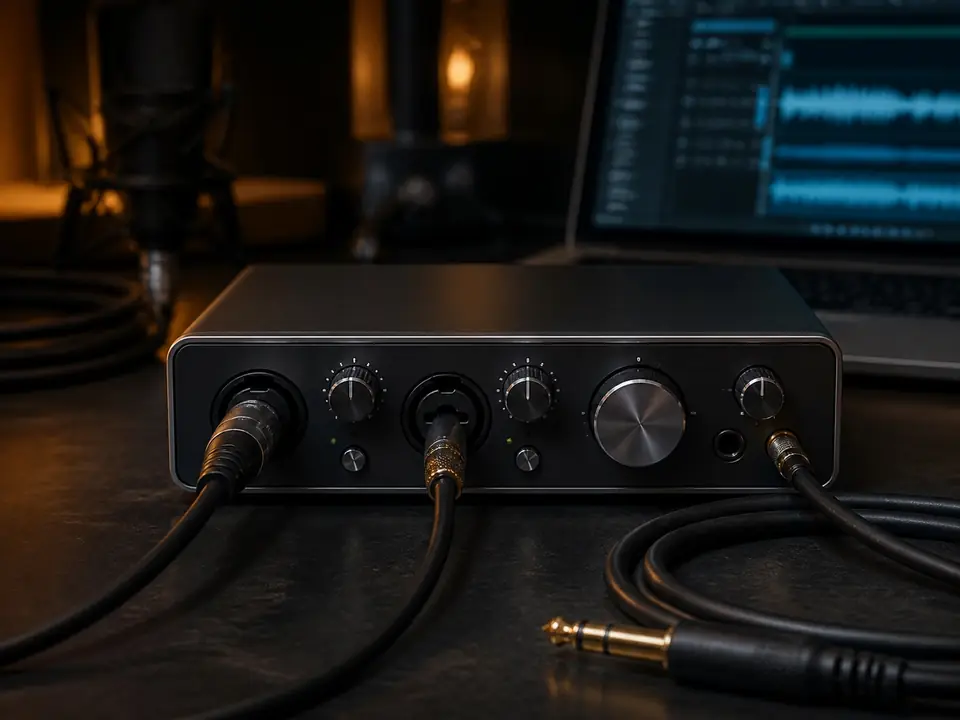
Audio Interfaces

Questions about inputs, latency, preamps, guitar recording, drivers, and beginner setups.

Do beginners need an audio interface?

Beginners need an audio interface when recording XLR microphones, guitars, keyboards, or other line-level sources into a computer. A USB microphone can work without one, but an interface gives more flexible inputs, better monitoring, and a cleaner upgrade path for a home studio.

How many inputs does a beginner audio interface need?

Most solo beginners need one or two inputs. One input is enough for a single microphone or guitar, while two inputs allow vocal and instrument recording at the same time. More inputs are useful for bands, drums, stereo keyboards, or multi-microphone setups.

Why is my audio interface crackling or adding latency?

Crackling and latency are usually caused by buffer settings, driver issues, overloaded CPU, bad cables, or mismatched sample rates. Start by installing the correct driver, increasing the buffer size, checking cable connections, closing heavy apps, and matching sample rate settings in your recording software.

Browse Audio Interface Guides & Reviews

FAQ Topic

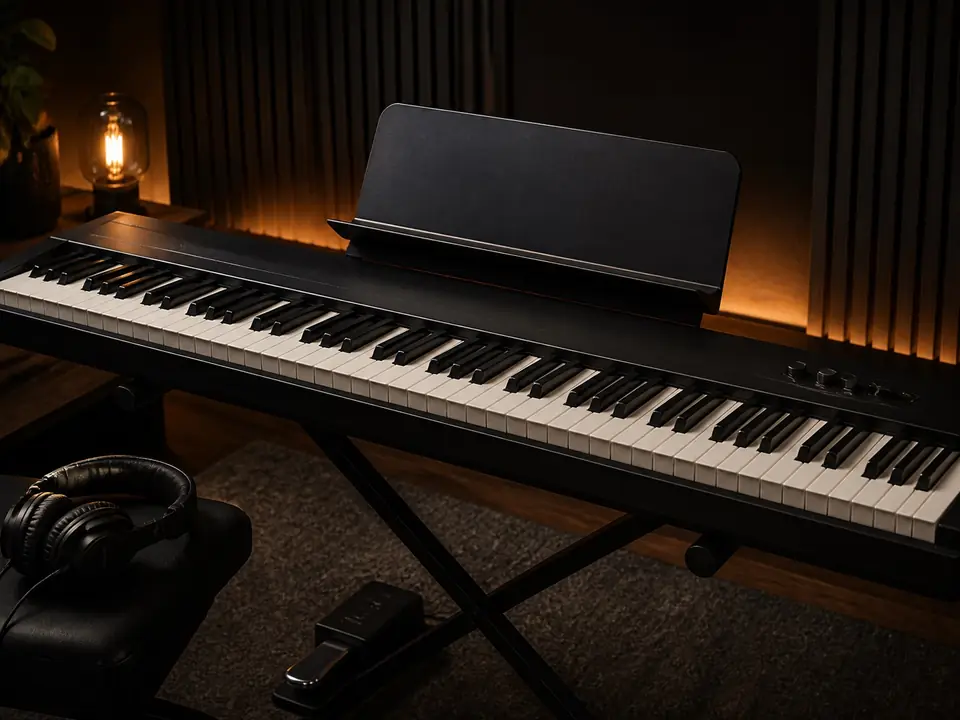
Digital Pianos & Keyboards

Questions about weighted keys, MIDI keyboards, beginner digital pianos, pedals, and practice setups.

What is the difference between a MIDI keyboard and a digital piano?

A digital piano has built-in sounds and is designed for playing piano, often with weighted keys. A MIDI keyboard usually controls software instruments on a computer and may not make sound by itself. Choose based on whether you need standalone practice or computer-based production.

Do beginners need weighted keys?

Weighted keys are recommended for beginners who want to learn piano technique because they feel closer to an acoustic piano. They are less important for beatmaking, synth parts, or casual production, where portability, pads, knobs, and software control may matter more.

What accessories do I need with a digital piano?

A useful digital piano setup usually needs a stable stand, sustain pedal, bench, headphones, and power supply. Beginners should avoid unstable X-stands or weak pedals if they plan to practice regularly, because comfort and reliability affect learning more than extra sounds.

Browse Digital Piano & Keyboard Guides & Reviews

FAQ Topic

Guitars

Questions about beginner electric and acoustic guitars, amps, setup quality, and essential accessories.

Should beginners start with acoustic or electric guitar?

Beginners should start with the guitar that matches the music they want to play. Electric guitars are often easier on the fingers and quieter with headphones, while acoustic guitars are simpler because they do not need an amp. Motivation matters more than tradition.

How much should a beginner spend on a guitar?

Beginners should spend enough to get a guitar that stays in tune, feels comfortable, and can be set up properly. The cheapest bundles can work, but they often cut corners on playability, tuning stability, cables, straps, and amps. Budget for accessories too.

What accessories do I need with an electric guitar?

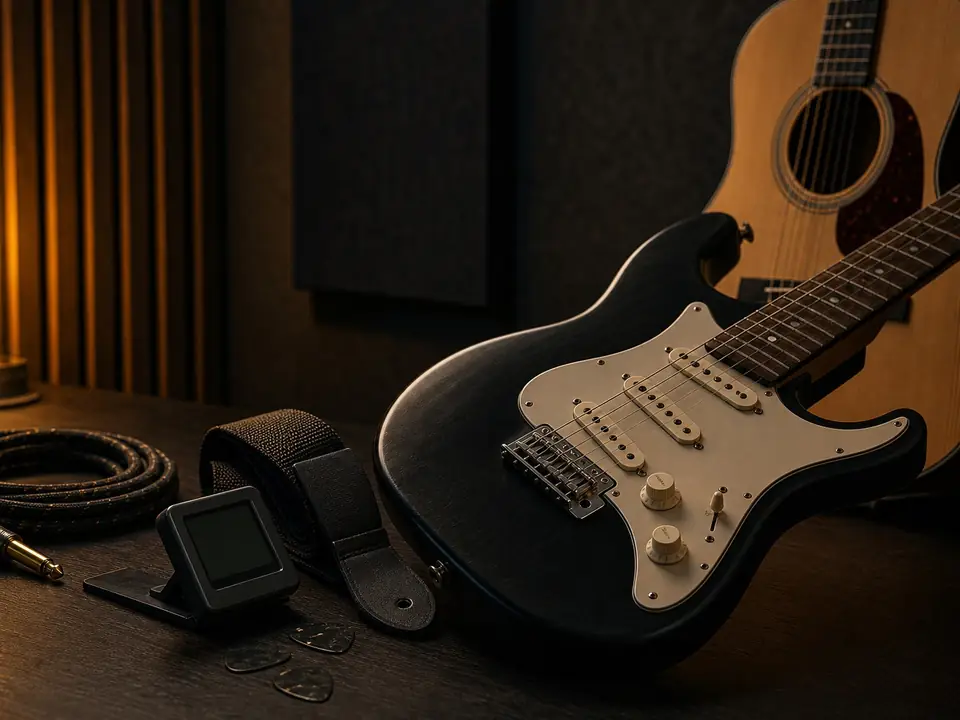
An electric guitar setup usually needs an amp or interface, instrument cable, tuner, strap, picks, stand, and case or gig bag. A comfortable strap and reliable tuner are not optional extras; they make daily practice easier and prevent avoidable frustration.

Browse Guitar Guides & Reviews

FAQ Topic

Accessories & Cables

Questions about XLR, TRS, TS, guitar cables, stands, pedals, adapters, and setup reliability.

What cables do I need for a home studio?

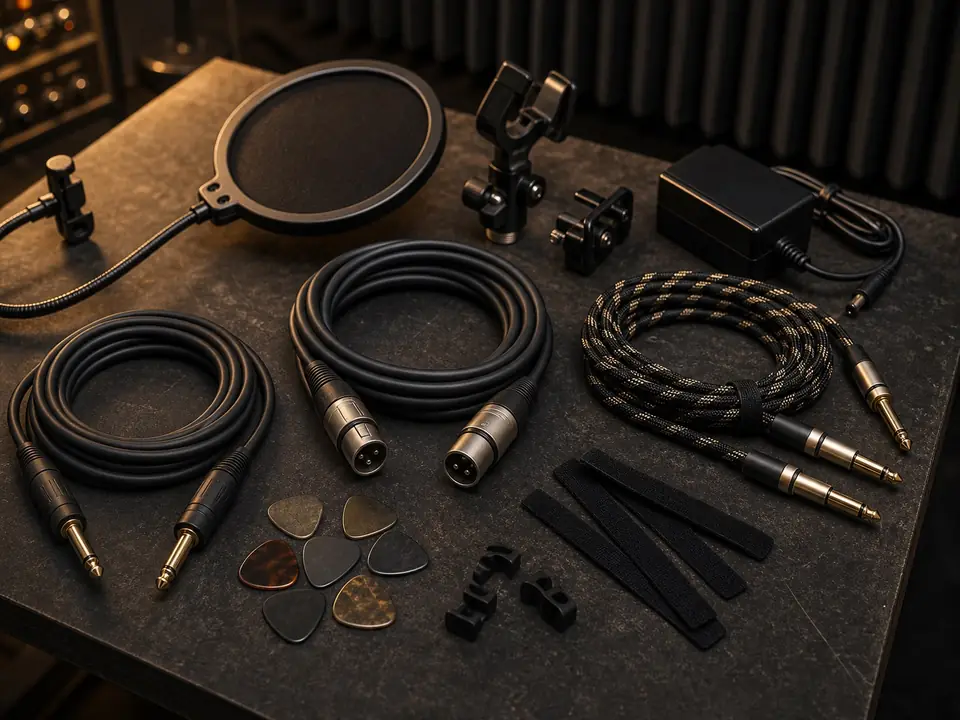
A basic home studio usually needs XLR cables for microphones, instrument cables for guitars, TRS or XLR cables for monitors, USB cables for interfaces and controllers, and sometimes headphone extension cables. Buy reliable lengths that fit your setup without creating cable clutter.

What is the difference between XLR, TRS, and TS cables?

XLR is commonly used for microphones and balanced audio connections. TRS can carry balanced line-level signals or stereo headphone signals. TS is commonly used for guitar and instrument connections. The right cable depends on the device output, input, and whether the signal should be balanced.

Do expensive guitar cables sound better?

Expensive guitar cables do not automatically sound better, but well-made cables can reduce noise, connection failures, and durability problems. For most players, a reliable mid-priced cable with good connectors and suitable length is a better choice than a luxury cable.

Browse Accessories & Cable Guides & Reviews

FAQ Topic

Deals, Affiliates & Updates

Questions about affiliate links, price notes, stock changes, sponsorship, and editorial independence.

Do affiliate links affect Musical Critic reviews?

Affiliate links should not determine rankings, conclusions, criticism, or product coverage. They may help support the site when readers buy through certain links, but recommendations must remain based on editorial fit, practical value, alternatives, and clearly explained tradeoffs.

Do readers pay more when using affiliate links?

Readers should not pay more because they use an affiliate link. Retailers set prices, discounts, stock, shipping, and return terms. Musical Critic may earn a commission at no extra cost to the reader if a qualifying purchase happens through an affiliate link.

How should I read price and stock notes?

Prices, discounts, bundles, and stock can change quickly, so Musical Critic should avoid unsupported real-time claims. Treat price bands and buying advice as editorial guidance, then confirm the current price, availability, warranty, and return policy on the retailer page before purchasing.

Read Affiliate Disclosure

Last Updated

FAQ answers should stay current as gear, prices, and recommendations change.

Musical Critic should review high-traffic FAQ topics every six months, update discontinued products or changed standards, and link deeper answers to the most relevant guides, reviews, comparisons, and category hubs.

Read Editorial Policy