
Top Picks Comparison
| Pick Type | Best For | What To Check |
|---|---|---|
| Best Overall | Most musicians who want the safest first choice. | Balance of sound, usability, build, and price. |
| Best Budget | Beginners who need dependable gear without overspending. | Core performance before extra features. |
| Best Upgrade | Players and creators ready to improve a specific weak point. | Clear improvement over entry-level options. |
Pros & Cons
Pros
- Keeps the buying decision tied to real use cases.
- Highlights accessories and setup needs before checkout.
- Compares practical tradeoffs instead of only specifications.
Cons
- Final choice still depends on room, instrument, skill level, and budget.
- Availability and pricing can change by retailer.
Who It Is For
This guide is for musicians, producers, students, and home studio creators who want a clear shortlist before comparing product-level reviews.
Who Should Avoid It
Avoid using any guide as a blind recommendation if you have unusual compatibility needs, strict stage requirements, or a very specific studio workflow.
Alternatives
- Read individual reviews when one product looks like the strongest fit.
- Use comparisons when two models solve the same problem in different ways.
- Check the related category hub for setup essentials and beginner advice.
Final Verdict
The best buy is the product that fits the job, works with the rest of your setup, and leaves the fewest costly surprises after purchase.
FAQ
How should beginners use this guide?
Start with the recommended use case, then check whether the required accessories and setup match your budget.
Should I buy the cheapest option first?
Only if it still solves the core job reliably. Cheap gear becomes expensive when it needs to be replaced quickly.
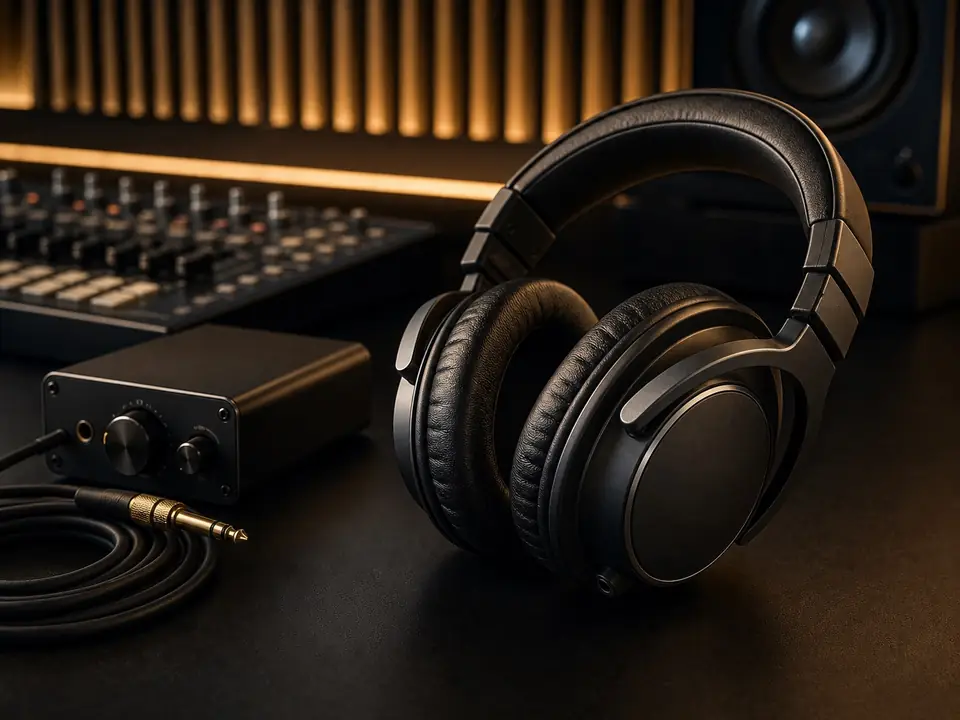
The best closed-back headphones for beginner vocal recording are not necessarily the most expensive pair. They should seal well, stay comfortable, play loud enough without harshness, and help the singer hear timing and pitch without leaking too much sound into the microphone.
Quick Recommendation
For a first vocal setup, choose closed-back headphones with a secure over-ear seal, replaceable pads if possible, a long enough cable, and clear midrange monitoring. Do not buy open-back headphones for vocal tracking as your first pair.
What to Prioritize First
| Priority | Why it matters for vocals | Beginner check |
|---|---|---|
| Closed-back isolation | Reduces backing-track and click bleed into the vocal mic | Ear cups fully cover the ears and seal consistently |
| Comfort | Long takes get worse if the singer keeps adjusting the headphones | Clamp is secure but not painful after 20-30 minutes |
| Clear vocal range | The singer needs pitch and timing more than exaggerated bass | Vocals and guide melody are easy to hear at moderate volume |
| Cable practicality | A short cable can pull on the singer or interface | Cable reaches the interface without crossing the mic stand awkwardly |
Best For
- Beginner singers recording demos, covers, lessons, and home-studio vocals.
- Bedroom creators who need less bleed than earbuds or open-back headphones.
- Anyone building a first mic, interface, stand, pop filter, and headphone chain.
Not For
- Mixing decisions where open-back headphones or monitors may reveal space better.
- Users expecting headphones to fix room echo, bad mic placement, or high latency.
- Live stage monitoring, where in-ear monitors may be a different decision path.
How to Choose Without Overbuying
Start with the job: tracking vocals. For that job, isolation and fit usually matter more than premium audiophile detail. If your current headphones leak click into the mic, slip off the singer, or make the singer turn the cue mix too loud, they are holding back the recording. If they seal well and the singer performs comfortably, upgrading may not be urgent.
Features Worth Paying For
- Over-ear closed-back cups that reduce leakage.
- Replaceable ear pads, because worn pads often leak more.
- A cable that is long enough for the recording position.
- Clear midrange so vocals, pitch reference, and timing cues are easy to follow.
- Durable hinges and headband if the headphones will be shared or packed often.
Features Beginners Can Usually Skip
- Noise cancelling as the main recording feature.
- Bluetooth-only headphones for tracking vocals.
- Open-back designs for the first tracking pair.
- Very bass-heavy tuning if it makes pitch and vocal phrasing harder to hear.
Buying Checks Before You Order
- Confirm the headphones are closed-back, not open-back or semi-open.
- Check whether the plug fits your interface or needs an adapter.
- Think about cable length and whether the singer can stand or sit comfortably.
- Plan headphone volume before blaming the headphones for bleed.
- Leave budget for a pop filter, stand, and basic room setup if you do not own them yet.
Beginner Setup Path
If you already own earbuds, you can test them for a rough demo, but closed-back headphones are usually the better first purchase for repeat vocal recording. Pair them with a simple interface, a close mic position, and a clean cue mix before chasing expensive upgrades.
Next Step
If you are deciding between headphones and earbuds, read closed-back headphones vs earbuds for recording vocals. If you already hear click or backing track in the microphone, use how to stop headphone bleed in vocal recordings. For a broader list, compare this page with best headphones for recording vocals.
FAQ
Do beginners need expensive headphones for vocal recording?
No. Beginners need headphones that seal well, feel comfortable, and let the singer hear the cue mix clearly. Expensive headphones do not automatically solve bleed or performance problems.
Are closed-back headphones better than earbuds for vocals?
Usually yes for repeat tracking. Earbuds can work for demos, but closed-back headphones are easier to fit consistently and often give a more stable monitoring experience.
Can I mix with the same closed-back headphones?
You can make rough mix decisions, but tracking headphones are chosen mainly for isolation and performance comfort. Mixing may require separate checking on other headphones, monitors, or reference systems.
Review basis: This buying guide is based on editorial research, visible product-category behavior, common home vocal tracking needs, and MusicalCritic editorial judgment. It does not claim hands-on testing, real-time pricing, stock status, ratings, or fixed rankings.