
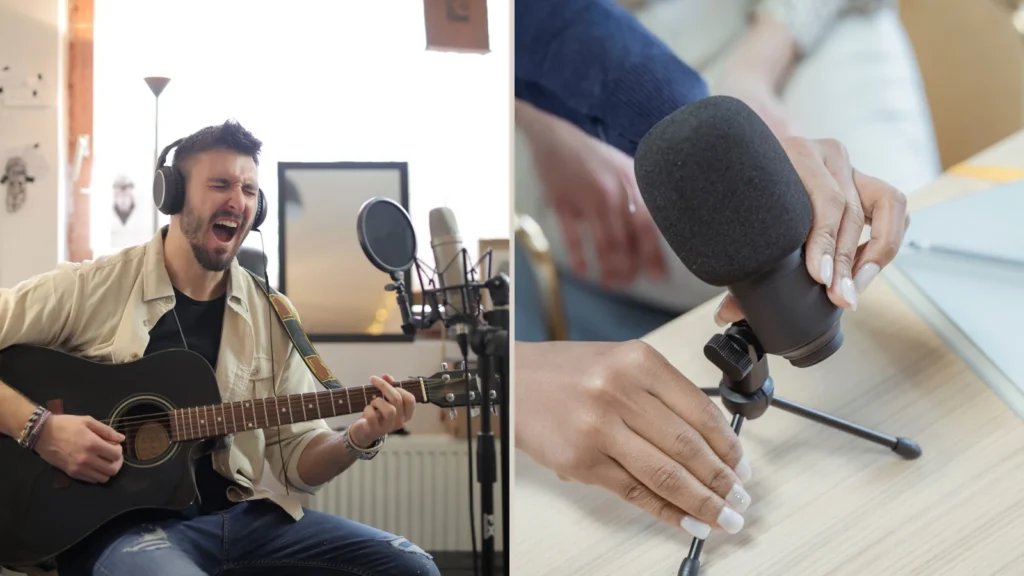
Top Picks Comparison
| Pick Type | Best For | What To Check |
|---|---|---|
| Best Overall | Most musicians who want the safest first choice. | Balance of sound, usability, build, and price. |
| Best Budget | Beginners who need dependable gear without overspending. | Core performance before extra features. |
| Best Upgrade | Players and creators ready to improve a specific weak point. | Clear improvement over entry-level options. |
Pros & Cons
Pros
- Keeps the buying decision tied to real use cases.
- Highlights accessories and setup needs before checkout.
- Compares practical tradeoffs instead of only specifications.
Cons
- Final choice still depends on room, instrument, skill level, and budget.
- Availability and pricing can change by retailer.
Who It Is For
This guide is for musicians, producers, students, and home studio creators who want a clear shortlist before comparing product-level reviews.
Who Should Avoid It
Avoid using any guide as a blind recommendation if you have unusual compatibility needs, strict stage requirements, or a very specific studio workflow.
Alternatives
- Read individual reviews when one product looks like the strongest fit.
- Use comparisons when two models solve the same problem in different ways.
- Check the related category hub for setup essentials and beginner advice.
Final Verdict
The best buy is the product that fits the job, works with the rest of your setup, and leaves the fewest costly surprises after purchase.
FAQ
How should beginners use this guide?
Start with the recommended use case, then check whether the required accessories and setup match your budget.
Should I buy the cheapest option first?
Only if it still solves the core job reliably. Cheap gear becomes expensive when it needs to be replaced quickly.
Answer first: The best first microphone stand for bedroom vocals is the one that lets you place the mic at the same distance and angle every take. A stable basic floor stand can beat a flashy arm if the arm sags, shakes or pulls the cable into the singer.
MusicalCritic may earn a commission from qualifying links. This page uses source-bounded editorial guidance and does not track real-time offers, availability or seller review scores.
This is a criteria-first buying guide. It does not score products, promise load capacity or claim universal durability for any stand design.
Choose by Room Layout First
| Setup | Best stand path | Watch out for |
|---|---|---|
| Standing vocal takes | Floor stand or boom stand | Trip hazards and storage space |
| Desk-based vocals | Desk boom arm if the desk is stable | Desk bumps and clamp fit |
| Guitar and vocal demos | Boom stand or floor stand | Cable path around guitar and chair |
| Tiny bedroom corner | Compact stand with repeatable placement | Mic too close to walls or bedding |
What to Check Before Buying
- Can the stand hold the mic at mouth height without forcing bad posture?
- Will a pop filter or shock mount fit without making the setup tip forward?
- Can the cable hang with slack instead of pulling the mic down?
- Does the stand keep the mic away from keyboard, mouse and desk bumps?
- Can the stand stay safely set up between takes, or must it fold away?
Floor Stand vs Desk Arm
A floor stand is usually better when the singer stands, moves away from the desk or records guitar at the same time. A desk arm is convenient for short desk-based vocal takes, but it depends on a desk that can clamp securely without transmitting bumps into the mic.
Beginner Mistakes
The biggest mistake is buying a stand without checking the singer’s real recording position. Another mistake is placing the mic support so close to the wall that the stand looks tidy but the vocal sounds boxy. A good stand should help with placement, not just storage.
Read Next
- Boom Arm vs Floor Stand for Bedroom Vocals
- Best Bedroom Vocal Recording Accessories to Fix Echo First
- How to Record Vocals with a Dynamic Microphone in an Untreated Room
- Home Vocal Recording for Beginners
FAQ
Is a floor stand better than a boom arm for bedroom vocals?
It is better if you sing standing up or need the mic away from desk vibration. A boom arm is better when desk convenience matters and the clamp is stable.
Do beginners need a shock mount?
Not always. First check whether the stand, cable and desk are causing bumps or handling noise.
Can a stand improve vocal quality?
It can improve consistency by helping you keep the mic in the right place, but it does not fix room echo or poor gain settings by itself.
How We Test
Criteria-first buying guidance. MusicalCritic does not claim product scoring, measured load capacity or universal durability.
Review Basis
MusicalCritic beginner microphone stand buying criteria checked 2026-07-21.