
Quick Verdict
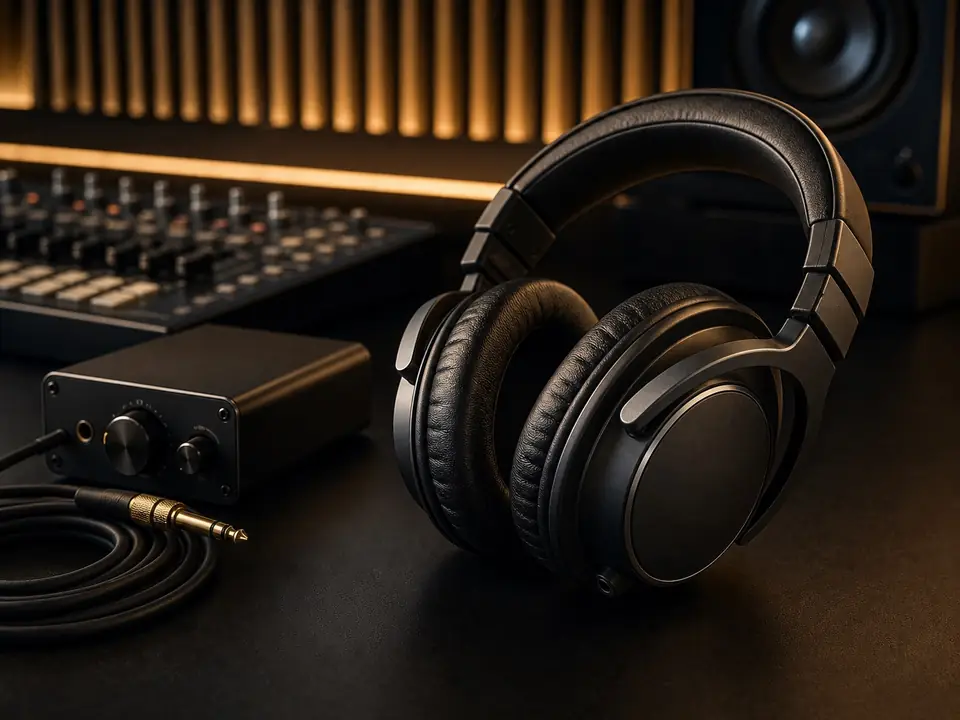
Short answer: the Sony MDR-7506 is a sensible wired closed-back headphone for recording vocals at home when you need clear timing, pitch, consonant, and mouth-noise feedback without obvious headphone bleed into the microphone. It is less ideal if your main goal is relaxed music listening, wireless convenience, or a spacious open-back mixing perspective.
This is a focused home-vocal monitoring page, not a replacement for the broader Sony MDR-7506 review.
Why it still fits home vocal recording
A beginner vocal take often fails for practical reasons before it fails for gear quality: the singer cannot hear pitch clearly, the click track leaks into the mic, latency makes timing feel strange, or the headphone balance hides breaths and sibilance. A closed-back wired headphone helps because it keeps monitoring direct, predictable, and less likely to spill into the microphone.
The MDR-7506 sits in that practical tracking role. It is not bought because it flatters everything. It is useful because it helps a singer notice timing, pitch, plosives, breath noise, and headphone bleed problems while recording.
Best-fit scenario
| Use case | Good sign | Warning sign |
|---|---|---|
| Solo vocal tracking | You need clear vocals and a backing track without bleed | You want Bluetooth or noise canceling for daily listening |
| Bedroom recording | Your mic hears headphones when the volume is too high | Your main problem is room echo, not monitoring |
| Beginner editing | You need to hear breaths, clicks, clipping, and harsh consonants | You expect headphones alone to fix pitch, gain, or room tone |
What beginners should listen for
Use the MDR-7506 as a checking tool during tracking. Listen for whether the backing track is too loud in the cups, whether your voice is delayed by latency, and whether sibilant consonants or plosives are jumping out. If you can catch those problems while recording, you save more time than you would by fixing every take afterward.
If your vocal still sounds distant, boxy, or covered in room sound, the headphone is not the root issue. Go back to mic placement, room control, and the beginner vocal recording setup checklist.
Headphone bleed control
Closed-back headphones reduce bleed, but they do not make loud monitoring safe. If the track is blasting, a sensitive vocal mic can still catch the click, cymbals, or guide vocal. Start with lower headphone volume, use one-ear monitoring only when necessary, and keep the headphone seal consistent.
For a deeper troubleshooting path, use How to Stop Headphone Bleed in Vocal Recordings. If you are deciding whether headphones or earbuds are the better tracking path, compare closed-back headphones vs earbuds for recording vocals.
How it compares with nearby choices
The MDR-7506 is a tracking-first utility choice. Audio-Technica ATH-M50x is often considered by the same buyer, but the right answer depends on comfort, tonal preference, and whether the headphone will be used mostly for recording or broader listening. See Audio-Technica ATH-M50x vs Sony MDR-7506 for the broader comparison.
If you are choosing a first pair specifically for vocal tracking, also read Best Closed-Back Headphones for Beginner Vocal Recording. The buying guide is better when you have not already narrowed the shortlist to Sony.
Who should choose it
- You record vocals with a wired audio interface and need low-hassle monitoring.
- You want to hear timing, pitch, breaths, and sibilance clearly during takes.
- You need a closed-back pair because headphone bleed has already shown up in recordings.
- You prefer an established studio-utility choice over consumer wireless features.
Who should skip it
- You need Bluetooth, active noise canceling, or phone-first convenience.
- You want open-back spaciousness for mixing instead of vocal tracking isolation.
- You are sensitive to clamp, pad feel, or long-session comfort and cannot test fit.
- Your real issue is latency or room tone; fix the interface settings and mic position first.
FAQ
Is the Sony MDR-7506 good for recording vocals?
Yes, it can be a practical vocal-tracking headphone because it is wired, closed-back, and detailed enough to expose pitch, timing, and mouth-noise problems during takes.
Will it stop all headphone bleed?
No closed-back headphone stops bleed if the monitoring level is too loud. Keep the cue mix controlled and troubleshoot with the headphone bleed guide.
Is it better than earbuds for home vocals?
Usually, closed-back headphones are easier to manage for vocal tracking because they give a stable fit and predictable monitoring. Earbuds can work, but fit and bleed behavior vary more.
Next steps
If your goal is a complete beginner chain, start with the home vocal recording hub. If you are still choosing the headphone category, read the closed-back headphone guide. If your takes already contain click or backing-track leakage, fix the bleed path before buying another microphone.
How We Test
Focused editorial review for home vocal recording. This page does not claim hands-on lab measurement, current retailer price, stock status, or brand authorization.
Review Basis
This review is based on editorial research, common closed-back headphone use in vocal tracking, MusicalCritic internal headphone comparisons, and beginner home-recording constraints. No instrumented lab testing is claimed.