
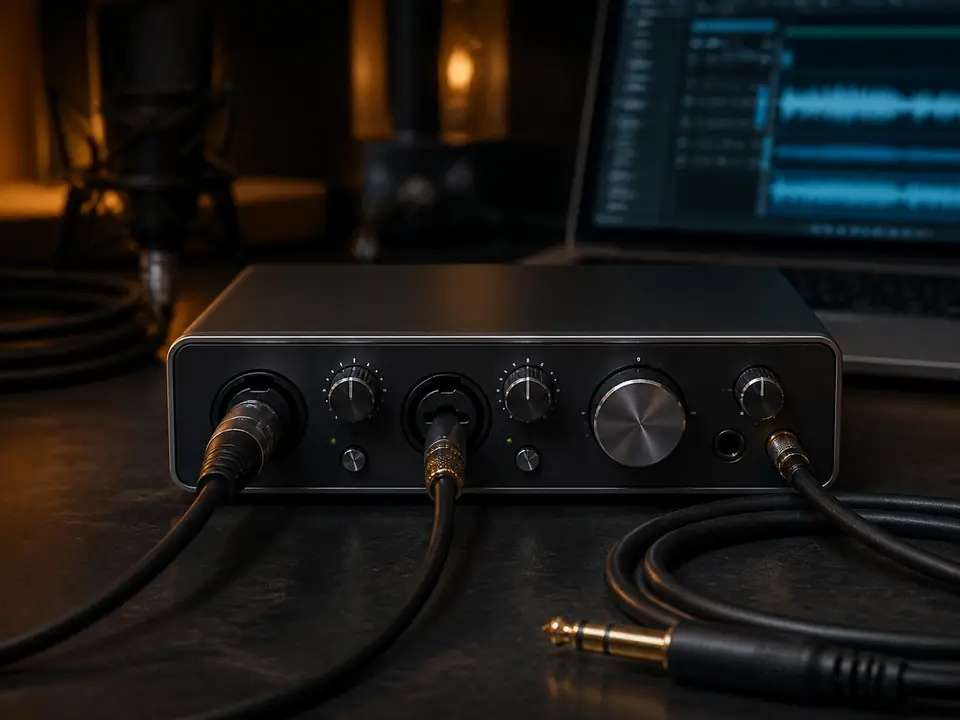
Beginners recording vocals at home should choose a USB microphone when speed and simplicity matter most, and choose an XLR microphone with an audio interface when they want a setup that can grow.
Short Answer
If this is your first vocal setup and you want the fewest parts, start with a good USB mic that has headphone monitoring. If you already plan to upgrade, record more than one source, or use different microphones later, buy an XLR mic and a simple audio interface first.
Best First Choice by Situation
| Situation | Better first buy | Why it fits |
|---|---|---|
| You need to record demos quickly | USB microphone | One cable, fewer setup decisions, and less chance of buying mismatched gear. |
| You want a long-term vocal chain | XLR microphone plus interface | The interface, mic, cable, and headphones can be upgraded separately. |
| Your room is noisy or untreated | Usually a close dynamic mic path | Placement and room control matter more than the connector type. |
| You want to record vocals and guitar later | XLR/interface setup | An interface gives you input, gain, monitoring, and upgrade flexibility. |
When a USB Mic Makes Sense
- You are making scratch vocals, demos, lessons, podcasts, or simple creator content.
- You do not want to learn interface gain, phantom power, XLR cables, and monitoring routing yet.
- You need a compact setup for a bedroom, dorm, or shared space.
- You accept that most USB mics are less flexible if you later build a larger recording setup.
When XLR Is Worth Buying First
- You want to use common vocal microphones and upgrade the mic separately from the interface.
- You care about direct monitoring, gain control, and a more traditional recording workflow.
- You may add another microphone, instrument input, or better headphones later.
- You are willing to buy the full chain: microphone, interface, XLR cable, stand, pop filter, and headphones.
Buying Checks Before You Decide
- Check whether the USB mic has a headphone jack for direct monitoring.
- For XLR, make sure the interface has the inputs and phantom power your microphone needs.
- Budget for the missing accessories, not only the microphone.
- Plan your room setup first. Close placement, pop control, and headphone bleed control affect beginner vocal quality more than the connector alone.
Common Mistakes
- Buying XLR because it sounds more professional, then forgetting the interface and cable.
- Buying USB for convenience, then expecting to plug it into a normal interface input.
- Ignoring headphone monitoring and recording with distracting delay.
- Spending the whole budget on the mic while leaving no money for a stand, pop filter, or closed-back headphones.
Next Step
Use this FAQ as the quick decision point. For a broader breakdown, read USB microphones vs XLR microphones. If your question is really about whether you need an interface, read USB microphone vs audio interface setup. If you are building a vocal setup from scratch, start with the home vocal recording hub.
FAQ
Does XLR always sound better than USB for vocals?
No. XLR gives you more system flexibility, but the microphone design, room, placement, gain control, and monitoring setup matter more than the connector by itself.
Can I use a USB microphone with an audio interface?
Most USB microphones connect directly to a computer and do not plug into a standard XLR input. Some hybrid microphones offer both USB and XLR, but you should verify the specific model before buying.
Should a beginner vocalist avoid USB microphones?
No. A USB mic can be a practical first tool if the goal is to record simple vocals quickly. The risk is not USB itself; the risk is buying a setup with no monitoring plan, no stand, and no room-control strategy.
Review basis: This FAQ is based on editorial research, manufacturer-visible product positioning, common beginner setup needs, and MusicalCritic editorial judgment. It does not claim hands-on testing, real-time pricing, stock status, ratings, or fixed rankings.