
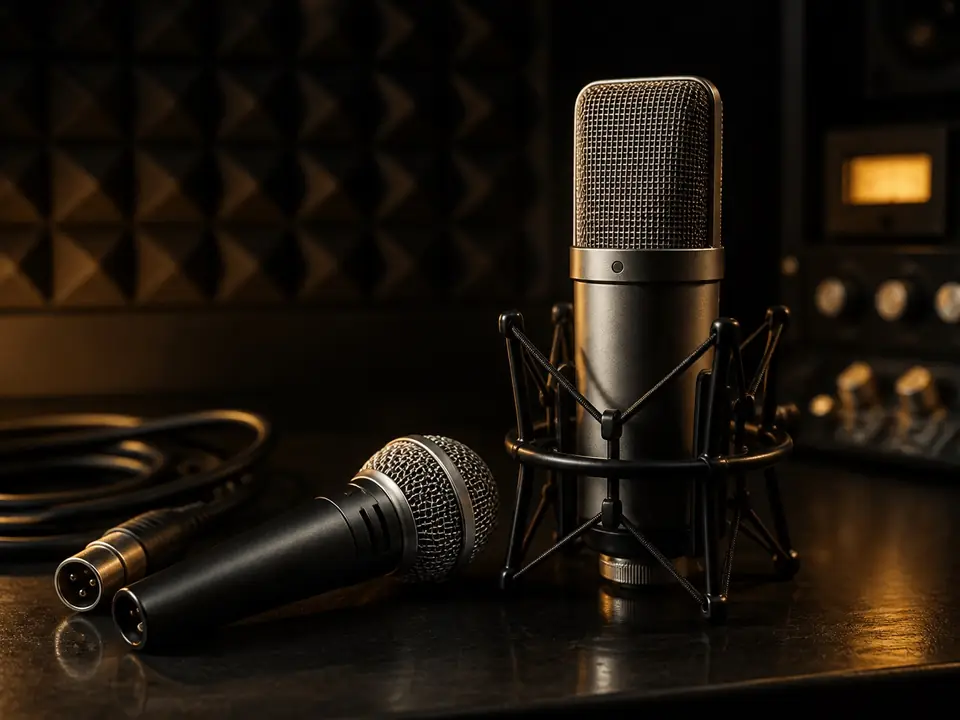
A practical explanation of phantom power, when condenser microphones need it, and why beginners should check their interface before buying a mic.
Short Answer
Phantom power is a power supply commonly provided by audio interfaces or mixers for many condenser microphones. It is a setup requirement, not a quality boost.
Who This Helps
Beginner microphone buyers comparing XLR condenser microphones, audio interfaces, and USB alternatives.
Common Misunderstanding
Users who only need a USB microphone and do not want an audio interface setup.
Practical Checks
- Check whether your microphone requires phantom power.
- Check whether your interface or mixer can supply it.
- Do not treat phantom power as an effect or sound improvement control.
What to Read Next
- A dynamic microphone if you want to avoid phantom power requirements.
- A USB microphone if one-cable simplicity matters most.
- An interface with suitable preamps if you want an XLR condenser path.
FAQ
Does phantom power improve sound?
No. It powers microphones that need it; it does not automatically make a microphone sound better.
Do dynamic microphones need phantom power?
Most dynamic microphones do not need it for normal use. Always check the microphone documentation.
Review basis: This page is based on editorial research, manufacturer-visible product positioning, common setup needs, and MusicalCritic editorial judgment. It does not claim hands-on testing, real-time pricing, stock status, ratings, or fixed rankings.