
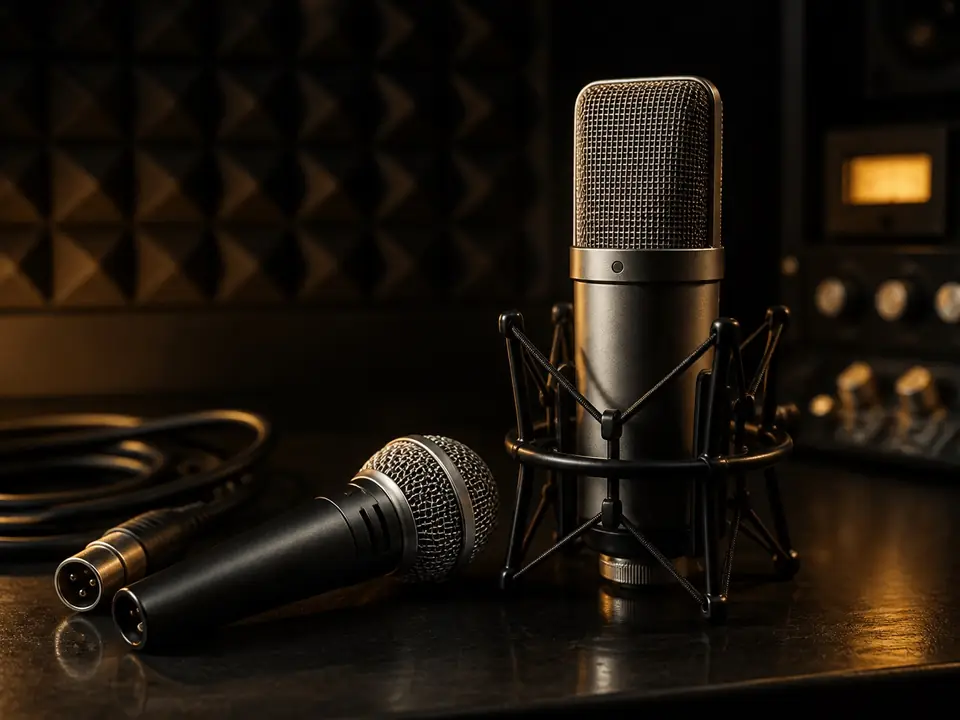
A beginner-friendly explanation of dynamic and condenser microphones, focused on room behavior, phantom power, placement, and practical use cases.
Short Answer
Dynamic and condenser microphones are not quality levels. They are different designs that respond differently to rooms, sources, and setup choices.
Who This Helps
Beginners choosing a first microphone type for vocals, podcasting, or home recording.
Common Misunderstanding
Readers looking for a universal winner without considering room and workflow.
Practical Checks
- Dynamic microphones are often used close to the source.
- Condenser microphones can capture more detail and more room.
- Phantom power matters for many XLR condensers.
What to Read Next
- Read the USB vs XLR comparison before choosing a connection path.
- Check microphone guides by room type rather than only by brand.
- Use placement and room fixes before assuming the mic is the problem.
FAQ
Is condenser always more professional?
No. It can be more sensitive, but professional results depend on the whole recording chain.
Is dynamic always safer for beginners?
It can be easier in imperfect rooms, but the right choice depends on source and setup.
Review basis: This page is based on editorial research, manufacturer-visible product positioning, common setup needs, and MusicalCritic editorial judgment. It does not claim hands-on testing, real-time pricing, stock status, ratings, or fixed rankings.