
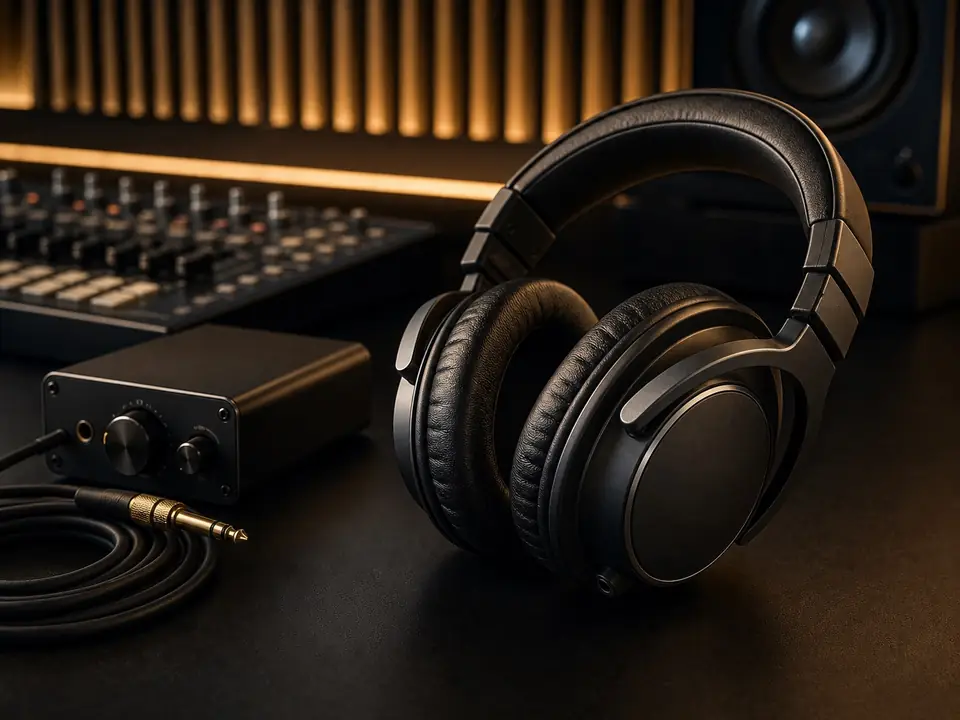
A practical open-back vs closed-back headphone comparison focused on mixing translation, isolation, vocal tracking, and room constraints.
Answer First
Open-back headphones can help mixing in quiet rooms. Closed-back headphones are more practical when isolation, tracking, or shared spaces matter.
Choose This Path If
Home producers deciding whether one headphone can cover mixing and recording.
Skip This Path If
Buyers who need a single rule that ignores leakage, noise, and monitoring context.
Decision Checks
- Open-back headphones leak sound and are not ideal near a live microphone.
- Closed-back headphones isolate better but should be checked against references.
- Comfort matters because long sessions magnify fit problems.
Alternatives
- Closed-back headphones for tracking first.
- Open-back headphones for quiet mixing rooms.
- Speaker checks or reference tracks to improve translation.
FAQ
Are open-back headphones better for mixing?
They can help in quiet rooms, but they are not always practical for shared spaces or tracking.
Can closed-back headphones mix well?
Yes, especially when paired with references and additional playback checks.
Review basis: This page is based on editorial research, manufacturer-visible product positioning, common setup needs, and MusicalCritic editorial judgment. It does not claim hands-on testing, real-time pricing, stock status, ratings, or fixed rankings.