
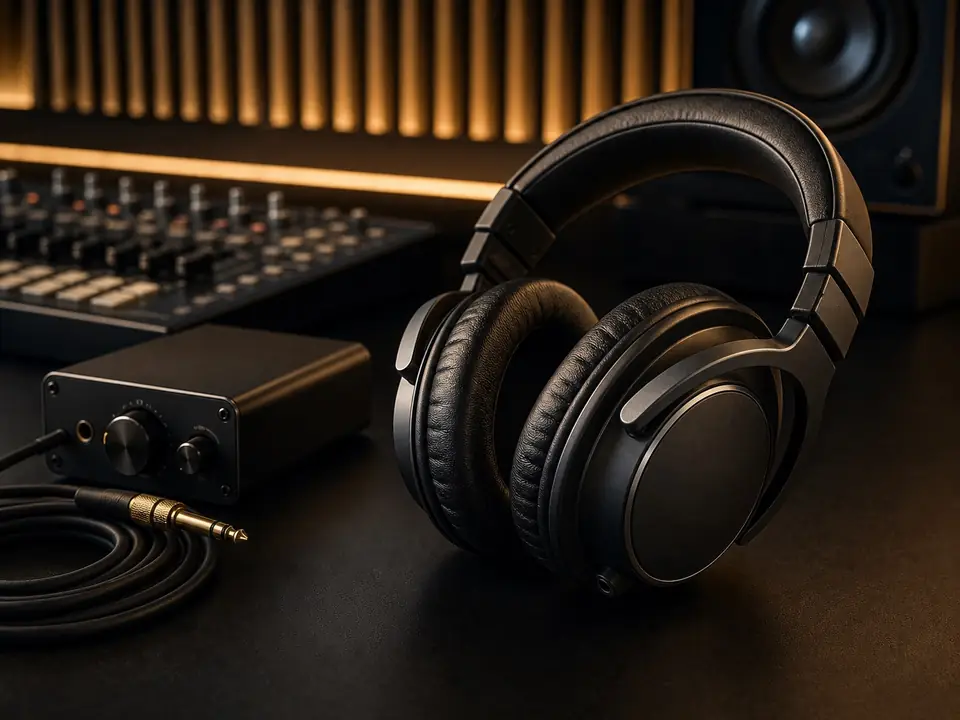
A research-based Sony MDR-7506 review focused on tracking, editing, comfort, isolation, and when to choose a different headphone.
Quick Verdict
The MDR-7506 is best framed as a practical closed-back monitoring headphone for tracking, editing, and utility studio work.
Review basis: This page is based on editorial research, manufacturer-visible product positioning, common setup needs, and MusicalCritic editorial judgment. It does not claim hands-on testing, real-time pricing, stock status, ratings, or fixed rankings.
Who It Fits
Editors, vocal tracking, podcast monitoring, and home studios needing closed-back isolation.
Who Should Skip It
Buyers looking for open-back soundstage or a relaxed casual-listening profile first.
Setup and Compatibility Checks
- Consider long-session comfort and replacement pad needs.
- Use references when making mix decisions on closed-back headphones.
- Check connector needs for your interface or headphone output.
Alternatives to Consider
- Open-back headphones for quiet mixing rooms.
- Beyerdynamic DT 770 Pro for another closed-back tracking option.
- Consumer headphones if casual listening is the main goal.
FAQ
Can MDR-7506 be used for mixing?
Yes, especially with references, but closed-back headphones should not be the only translation check.
Is the MDR-7506 good for recording vocals?
It can be useful because the closed-back design helps reduce bleed into the microphone.