
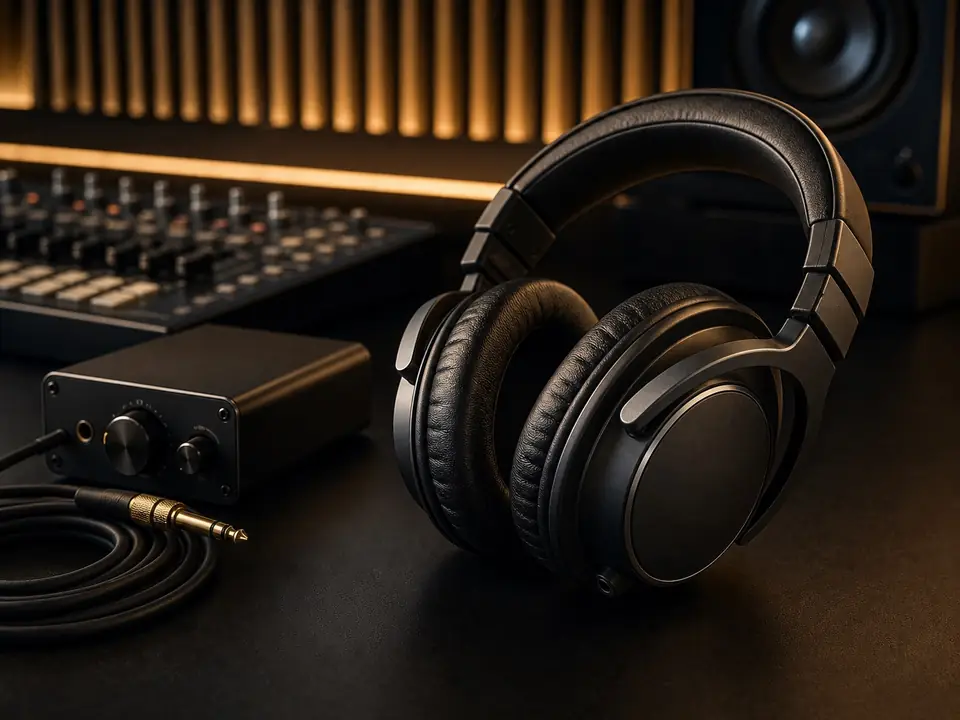
A recording-focused guide to choosing closed-back headphones for vocal tracking, with isolation, comfort, cable, and monitoring tradeoffs explained.
Answer First
For vocal recording, isolation and comfort matter more than hype. Closed-back headphones are usually the safer starting point because they reduce bleed into the microphone.
Best For
Vocalists, podcasters, and home studio users monitoring themselves while recording.
Not For
Mixers who need the most open soundstage and do not need isolation from a microphone.
What to Check Before Buying
- Choose closed-back designs when microphone bleed is a concern.
- Check comfort for long sessions, not only sound description.
- Make sure the cable length and connector fit your interface or headphone amp.
Alternatives to Consider
- Open-back headphones may help mixing decisions in quiet spaces.
- In-ear monitoring can work for some vocalists but changes comfort and isolation expectations.
- A headphone amp can help if you need more level or multiple listeners.
FAQ
Can you record vocals with open-back headphones?
You can, but sound leakage can reach the microphone, especially at higher monitoring levels.
Are studio headphones required for vocal recording?
They are not magic, but closed-back monitoring makes recording more controlled than using speakers.
Review basis: This page is based on editorial research, manufacturer-visible product positioning, common setup needs, and MusicalCritic editorial judgment. It does not claim hands-on testing, real-time pricing, stock status, ratings, or fixed rankings.